
Teylers
jacht naar kennis & kunst
APP Development
Gamification
Game Development
New Product Development
UX/UI Design
During my Video Game Development minor at the Amsterdam University of Applied Sciences, we were tasked with making the Teylers Museum in Haarlem more engaging for young visitors. The catch? We had to do it without altering a single aspect of the protected historical monument.
The Context: The museum commissioned an engaging, educational game specifically designed to make their space accessible and fun for children aged 8-10.
The Challenge: Because of its status as a historical monument, the physical environment was strictly off-limits. Absolutely no physical installations or modifications were allowed.
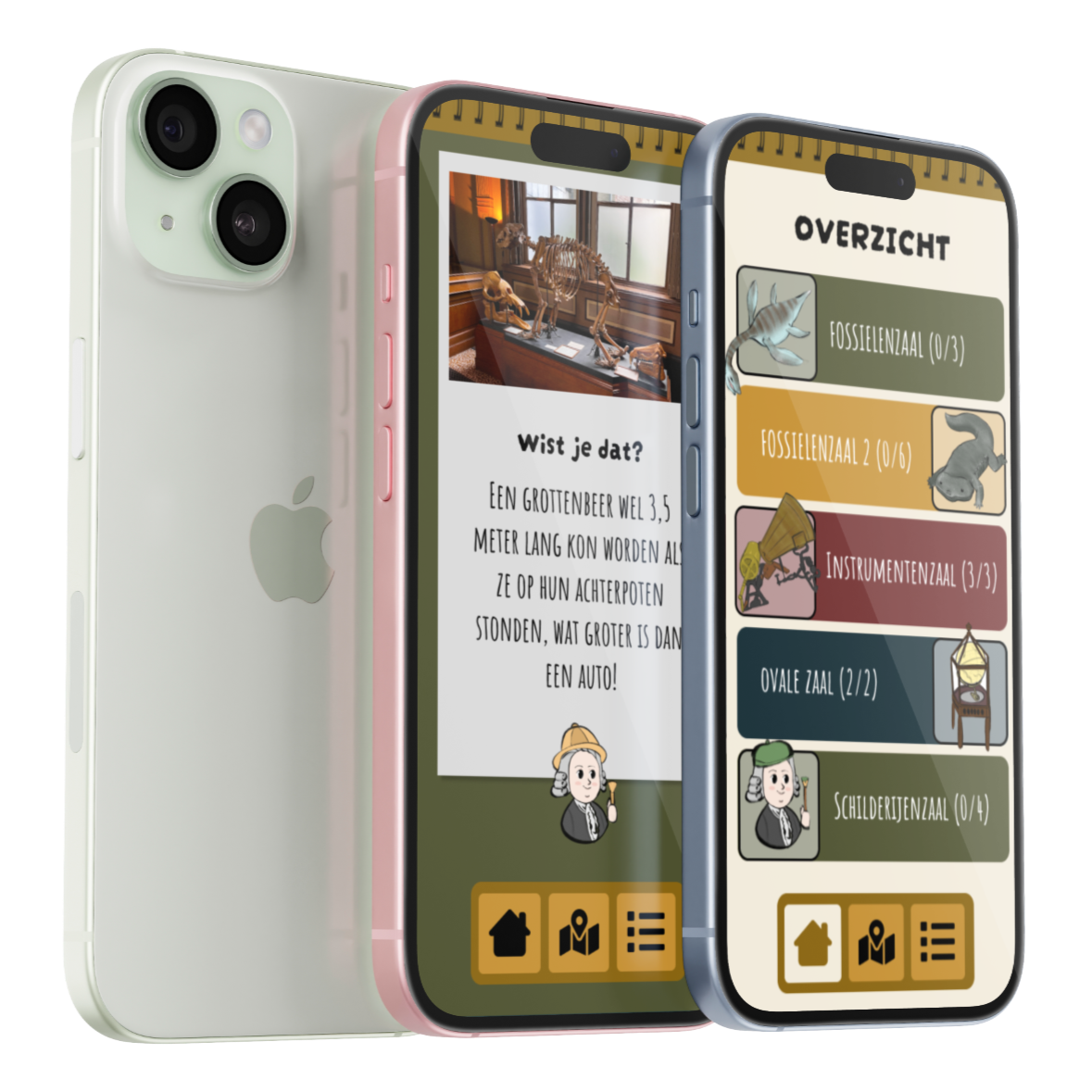
The Solution: We navigated this constraint by developing Teylers jacht naar kennis & kunst (Teylers Hunt for Knowledge and Art) a mobile scavenger hunt. By bringing the experience to a screen, we seamlessly layered gamification over the untouched museum. Children are tasked with helping Pieter Teyler restore his book, turning a restricted physical space into an interactive educational playground.
My Role: As Project Leader and Creative Lead, I guided the project from concept to delivery. I managed the team, spearheaded the ideation process, designed the core gameplay loop, and mapped out the initial user flows.
Discover: Mapping user needs, spatial boundaries, and industry trends.
Target Audience Research
Designing for 8-to-10-year-olds requires understanding their specific developmental stage. Our initial research highlighted several key drivers that informed our UX strategy:
Capable Navigators: With rapidly developing cognitive skills, this demographic is fully capable of handling complex interactions, such as reading floor plans.
Independent Explorers: They are autonomous learners who enjoy discovering new concepts on their own, provided they are in a safe environment.
Aesthetic Expectations: A colorful visual design is a foundational requirement to capture and hold their attention.
Desk research: Digital Trends in Museums
To position our solution within current museum innovation, we conducted competitive research into how cultural institutions engage younger audiences. While many modern museum experiences rely on digital overlays, our strategy had to respect Teylers' strict requirement: zero physical installations inside a protected historical monument.
Interactive Quests & Trails: Major institutions like the Rijksmuseum, Van Gogh Museum, and Amsterdam Museum rely on gamified scavenger hunts, audio tours, and interactive quests to turn passive viewing into active learning.
Augmented Reality (AR) Integration: AR is an emerging trend used to bring static artifacts to life such as animating skeleton exhibits or scanning codes to render paintings on personal devices.
The Strategic Constraint: While AR is engaging, long-term sustainability concerns and the inability to add physical markers inside Teylers led us to focus on a lightweight, self-contained mobile solution instead.
Establishing the Core Mandate
With our research gathered, we synthesized our findings into a strict set of design parameters. The core challenge was clear: we needed an educational, multimodal experience that turned the physical museum into an essential game board, while leaving zero physical footprint.
Requirements
➤ Be accessible on standard smartphones (belonging to the child or parent).
➤ Connect directly to the physical collection across multiple galleries.
➤ Reflect Pieter Teyler’s Enlightenment-era scientific values.
➤ Encourage active observation rather than keeping the child glued to a screen.
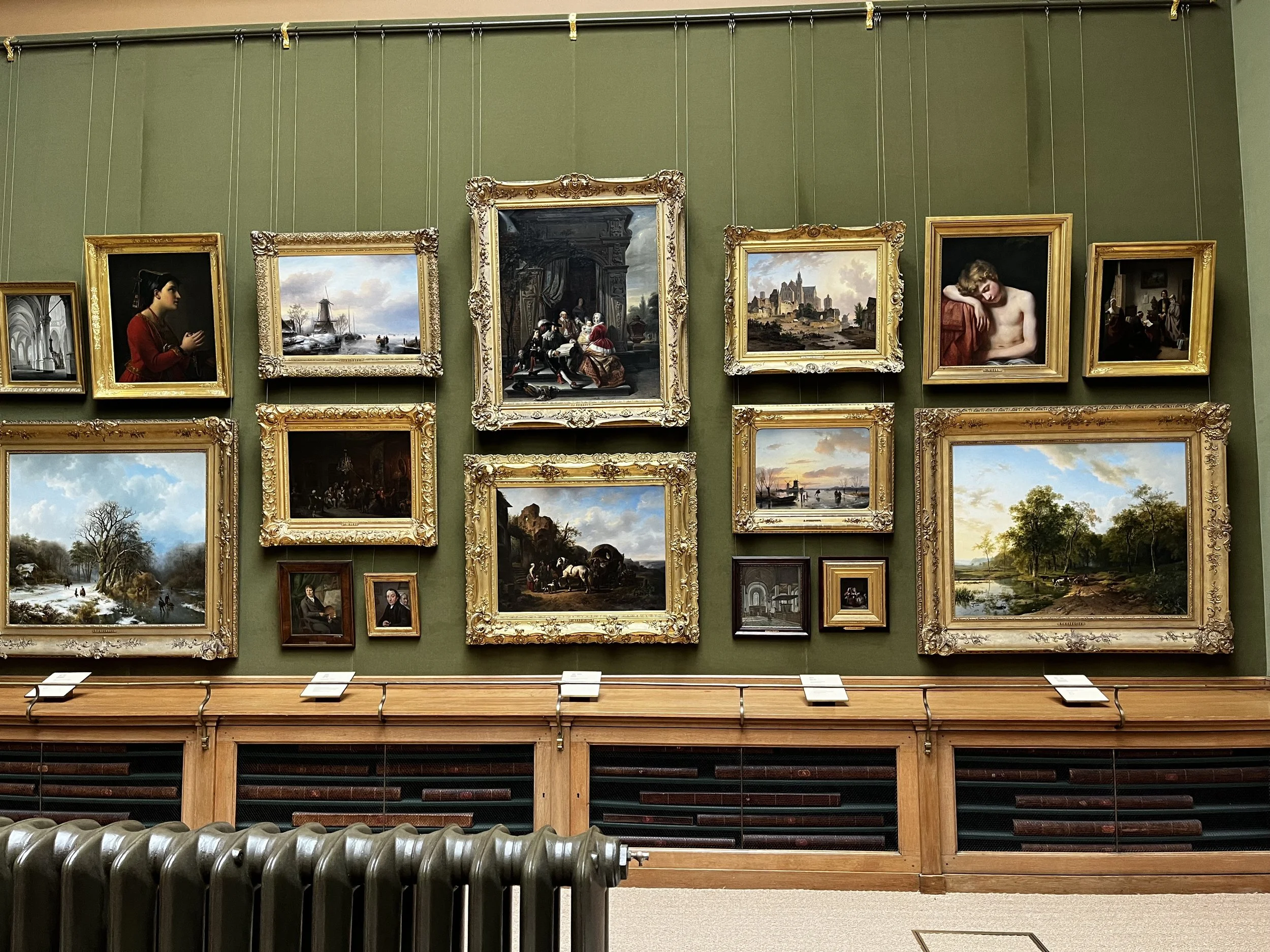
Field Research & Spatial Mapping
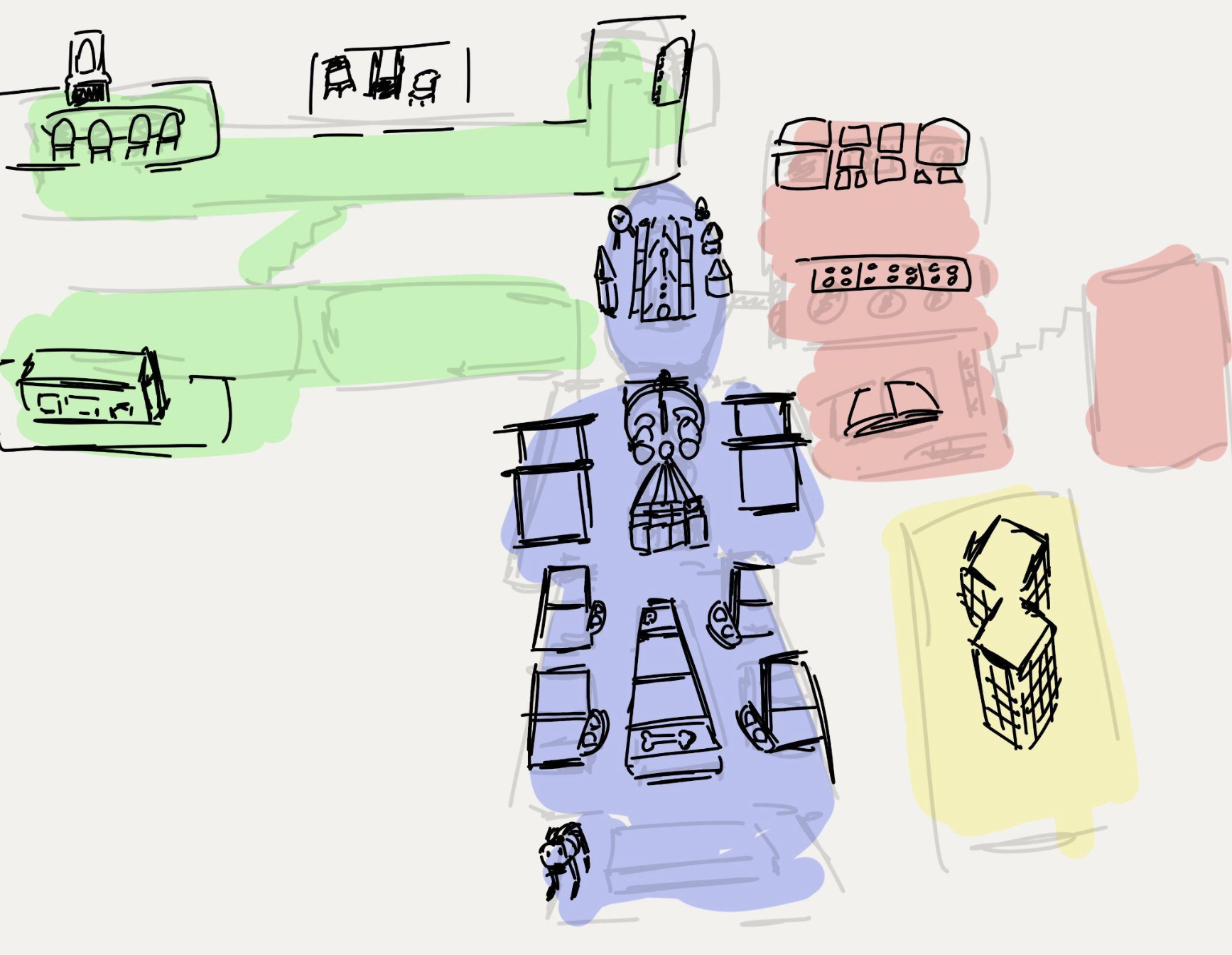
We conducted multiple on-site visits to map the museum's layout and observe natural user behavior. This field research defined the core parameters of our design challenge:
The Ultimate Constraint: As a protected Enlightenment-era monument, the building's original layout is historical. No physical items or installations could be added to the space.
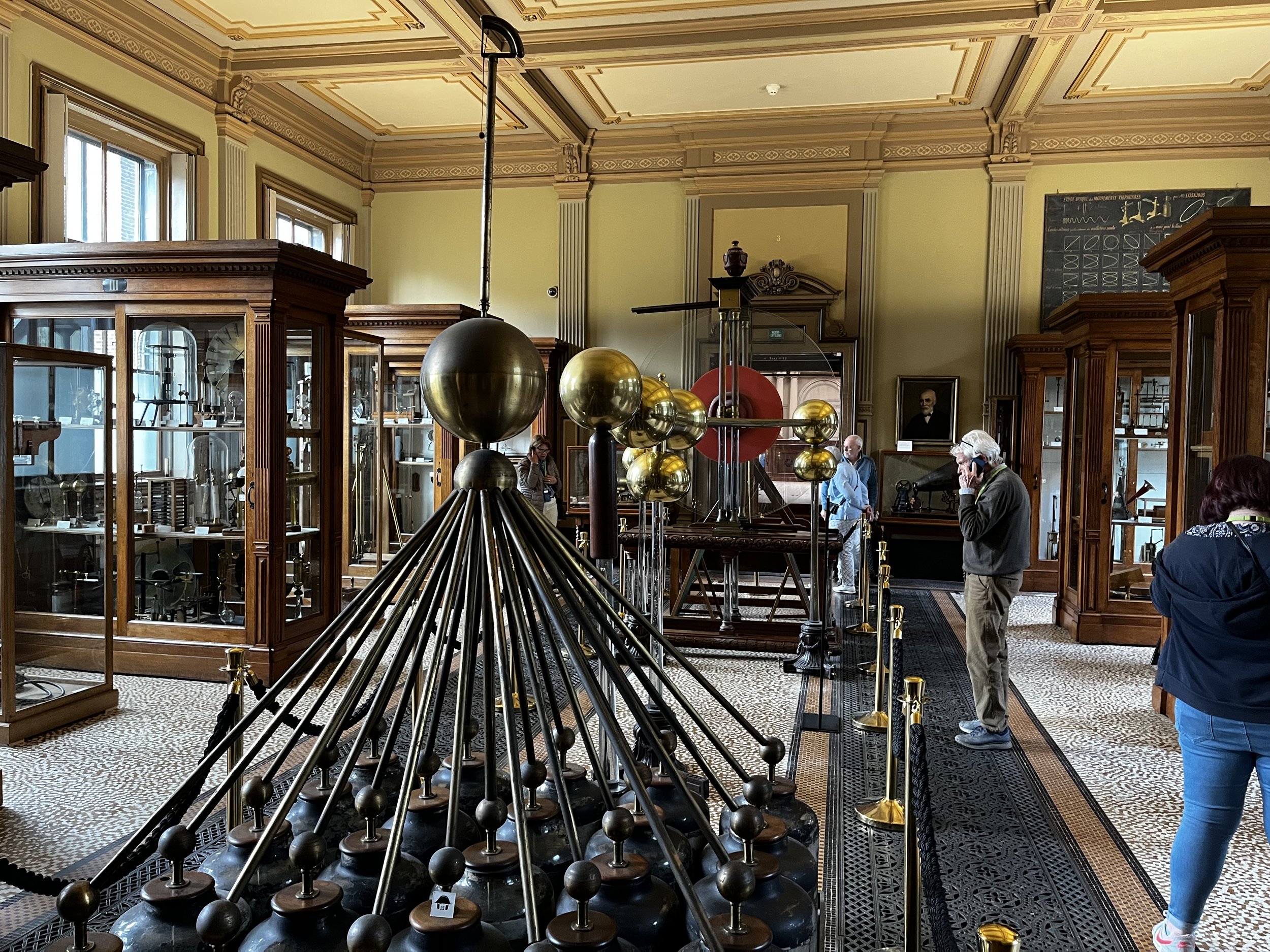
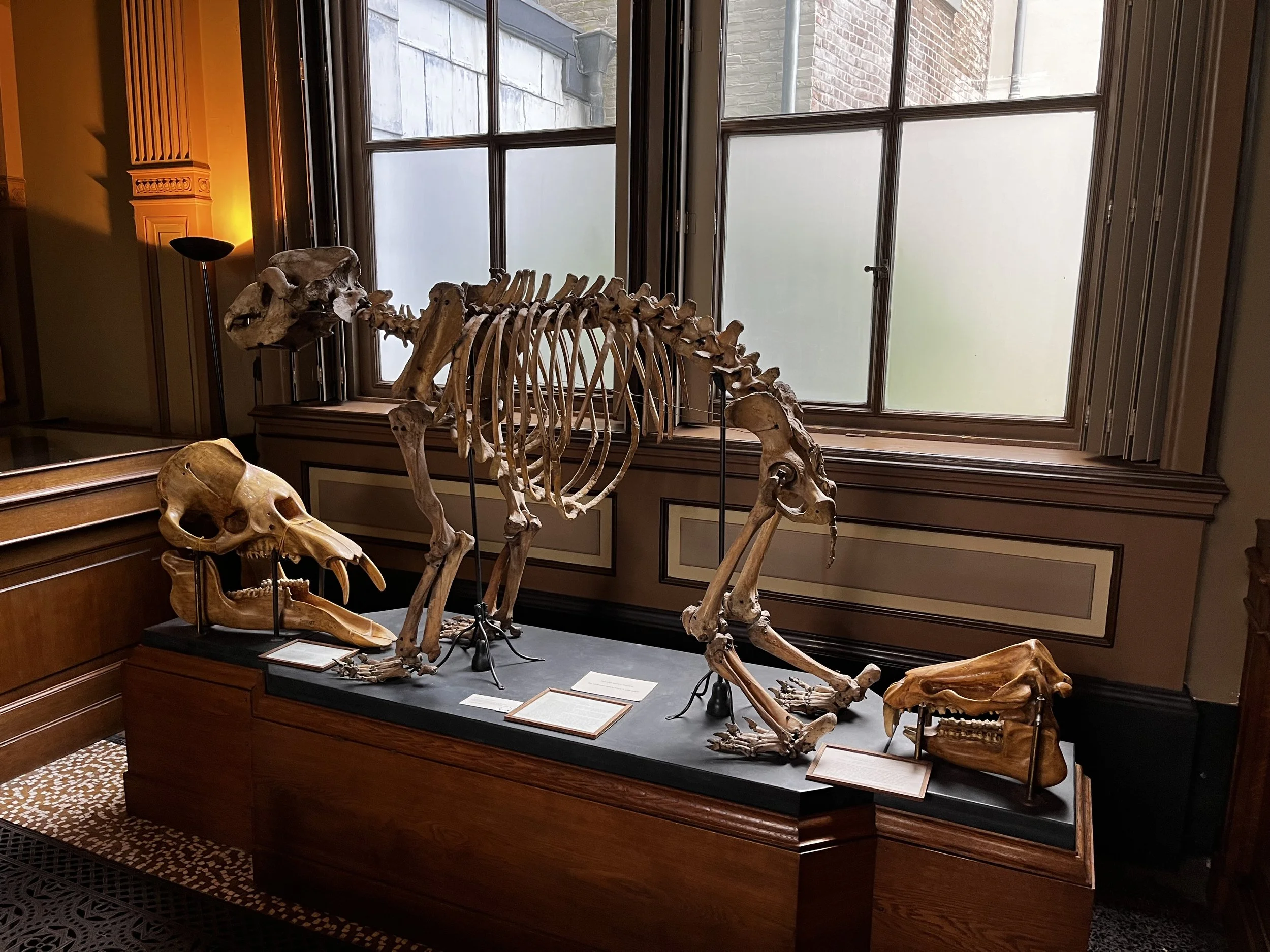
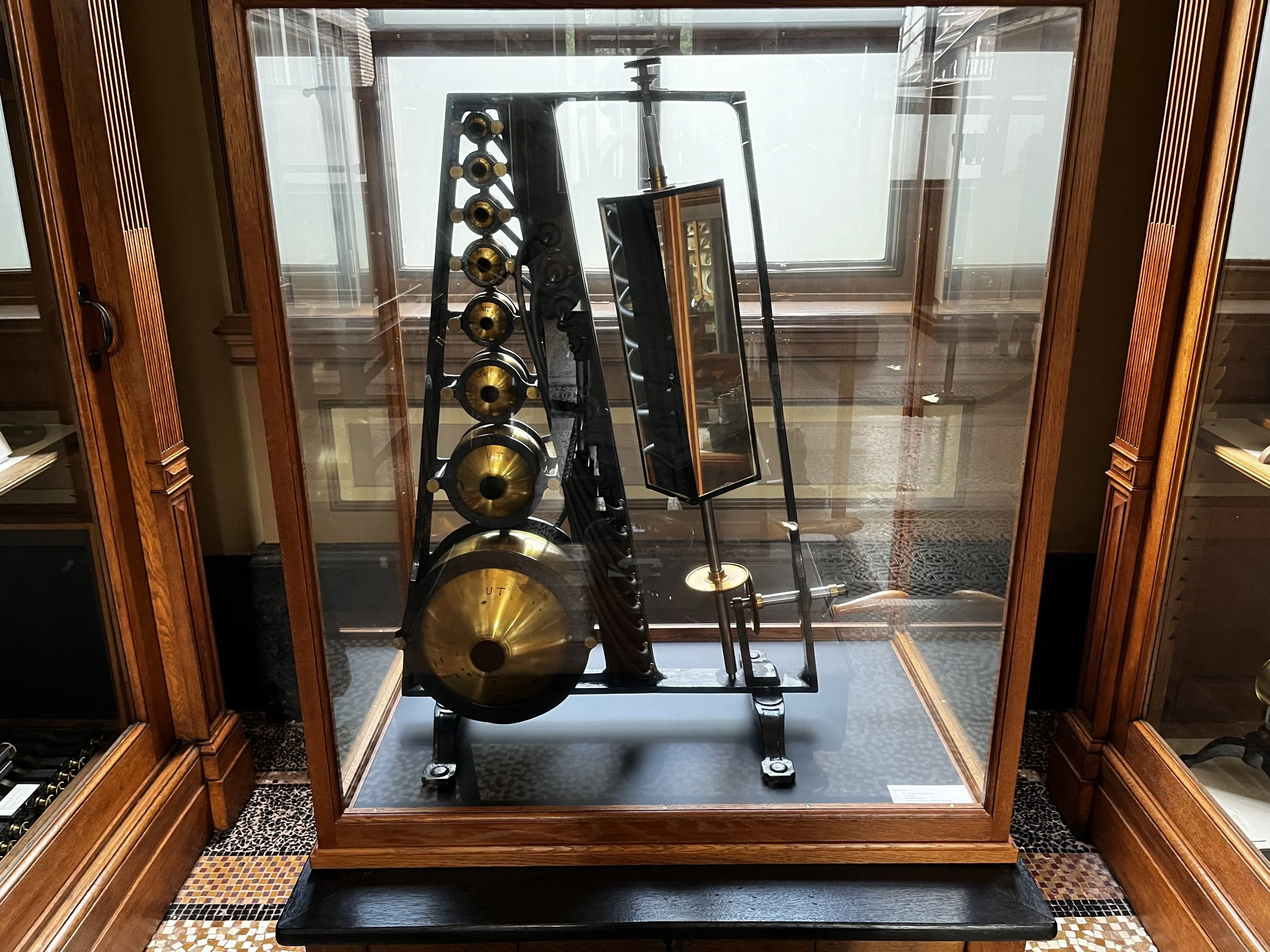
A Linear User Journey: Our spatial mapping revealed a clear, linear flow through the rooms (fossils, instruments, the Oval Room, and paintings), which naturally lent itself to a level-based game structure.
Identifying the Friction: We observed that children were highly engaged but restricted by the "look, don't touch" nature of the glass display cases. We needed a digital solution to make this passive viewing experience interactive.
DESK research: Gaming Patterns for Ages 8–10
To build an intuitive gameplay loop, we benchmarked popular commercial video games against dedicated educational apps designed for 8-to-10-year-olds. Our goal was to fuse the self-guided exploration of commercial titles with the accessible, clear learning mechanics of educational tools.
Commercial Mechanics (Minecraft, Animal Crossing): High player engagement in this age group is driven by safe exploratory environments, player autonomy, creative expression, and welcoming visual styles.
Educational Mechanics (Primary School Apps): Dedicated educational tools rely on low-barrier interaction principles such as simple quizzes, matching games, and fill-in-the-blank challenges.
The UX Takeaway: The experience needed to empower children to explore the physical space independently, making the museum visit feel like a self-guided adventure rather than a digital worksheet.
Define: Synthesizing Constraints & Requirements
Strategic Elimination & Scoping
Just as importantly, this phase was about defining what not to build. By evaluating early concepts against our spatial and cultural parameters, we intentionally discarded several initial directions:
✖ Augmented Reality (AR): Rejected because technological novelty offered questionable long-term sustainability for the museum.
✖ Audio-Guided Tours: Scrapped to prevent noise pollution in quiet, historical galleries.
✖ Physical Crafting Kits: Eliminated due to the logistical burden and extra infrastructure required from museum staff.
✖ Fantasy "Magical" Narratives: A "magical manuscript" idea was dropped because it conflicted with the museum's factual, scientific identity.
Develop: Prototyping mechanics and iterating through user testing.

Teylers jacht naar kennis & kunst
Teylers jacht naar kennis & kunst
As part of the Video Game Development minor at the Amsterdam University of Applied Sciences, the Teylers Museum in Haarlem commissioned the creation of an engaging and educational game for children aged 8-10. The result was Teylers jacht naar kennis & kunst (Teylers Hunt for Knowledge and Art), a game designed to enhance the museum experience and make it more fun for young visitors. In the game, children help Pieter Teyler restore his book through an educational scavenger hunt, adding a layer of gamification to the museum to engage young audiences.
Context and purpose
The museum wanted to make the museum more appropriate for young visitors, but had the difficulty doing so since the museum carries the status as a historical monument which prevented any physical changes. The museum emphasized the importance of preserving its historical character by avoiding any physical installations. Therefore a mobile solution needed to be developed to integrate a game onto since altering the physical space was not possible.

Development
During the development of concepts with the stated requirements and boundary conditions, various ideas emerged, including an AR experience, guided tours, craft assignments, and treasure hunts. To ensure the game's effectiveness and appropriateness, several factors were taken into account, including the museum's collection, its vision, the target audience, and suitable game elements for the museum environment.
The AR experience was initially investigated due to its ongoing trend, but it was not pursued further because of limited interest and concerns about the long-term sustainability of the technology’s novelty. Guided tours with voice-over were also explored, but this option was deemed unfeasible due to the potential for noise pollution, which the museum wanted to avoid. The concept of a viewing box for children was rejected because of the additional logistical challenges and the extra infrastructure it would require. Lastly, a treasure hunt featuring an imaginative story through a magical manuscript was considered, but it did not align with the scientific nature and vision of the Teylers Museum.
ConCept
In the game concept for the Teylers Museum, children between the ages of 8 and 10 are invited to an educational treasure hunt. The young visitors help Pieter Teyler to restore one of his books from the library, which has suffered water damage due to an accident. In order to assist Pieter Teyler, the damaged parts of the book must be supplemented. These parts are spread throughout the museum and include fossils, minerals and paintings.
To play the game, young visitors receive interactive prompts through a web app that guides them through the museum in a playful way, serving as the interface for an engaging treasure hunt. Players are challenged to locate missing pieces hidden among display cases and museum walls. As they explore, they are encouraged to take photos, identify missing book titles, and recognize missing paintings on the walls, all as part of their mission to recover the damaged parts.
When all parts have been collected, the young visitor is rewarded with a certificate as an aspiring scientist and a supplemented version of the damaged book, enriched with the parts collected by the player.
